Oct 20, 2025
A landmark year in the relationship between EPIC Global Solutions and the European Athletes & Players Association (EAPA) has taken a further step towards making gambling harm prevention and awareness more widely available to the continent’s elite player associations, with the launch of a multi-lingual eLearning module.
Throughout 2025, EPIC, EAPA and their member athlete associations from professional sports across Europe have been cooperating on the implementation of ‘PROtect Integrity Responsibly’ Erasmus+ project. The PROtect Integrity campaign is aimed at educating athletes about match fixing and betting integrity, with its current chapter focusing specifically on gambling harm prevention.
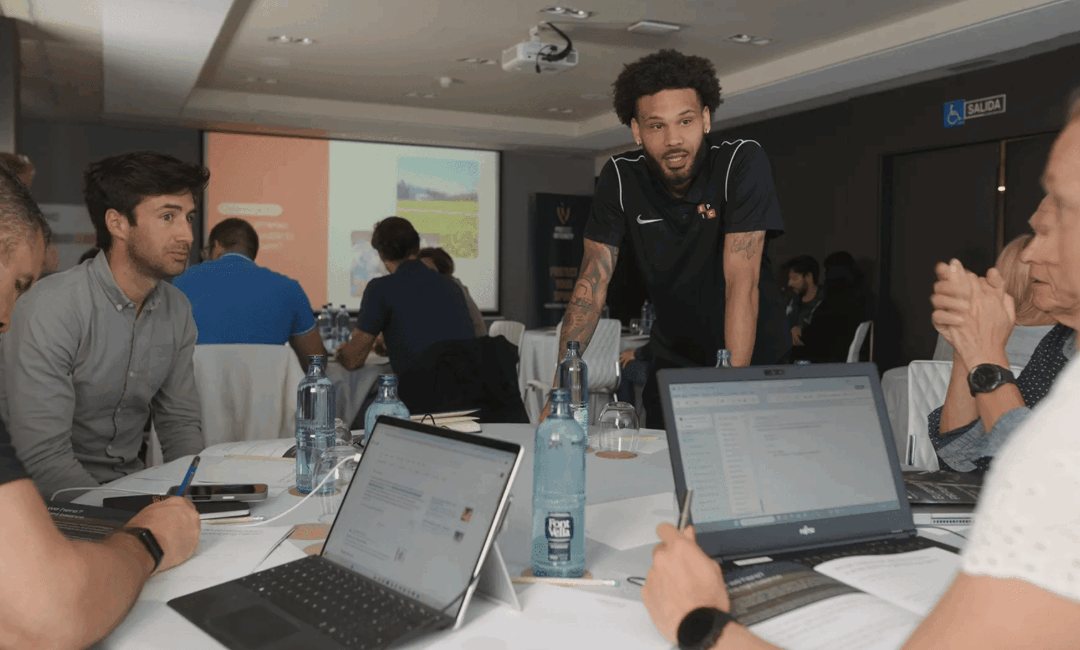
Research and face-to-face training – including a ‘Train the Trainer’ day in Madrid during the summer, enabling associations to better support their members with gambling issues – have now led to the launch of online materials that can be accessed on demand in English, French, Spanish, Italian and Danish. These provide six eLearning modules to help Europe-based athletes in selected sports to better understand gambling harm awareness, athlete vulnerability, the gambling spectrum, mental health & performance, spotting the signs, and sporting integrity & problematic gambling.
The content of the eLearning modules was based on the outcome of research with EAPA members conducted by EPIC’s senior research manager Anca-Maria Gherghel, with the findings of her report directing the nature of the education on gambling harm prevention required for professional athletes and players within the EAPA ecosystem.
The project consortium that has brought the concept to life is composed of ten members, with EAPA as the coordinator, EPIC Global Solutions providing subject matter expertise and the following eight player associations representing five major team sports in five different European countries: AJSF (men’s futsal, Spain), AJFSF (women’s futsal, Spain), RPI (rugby, Ireland), HSF (handball, Denmark), GIBA (basketball, Italy), AIP (volleyball, Italy), SNB (basketball, France), AJPH (handball, France).
EPIC has also helped each of the above associations to better serve their members by providing them with assets that help individuals to recognise signs of problem gambling, including infographics on what to look out for, and access to EPIC’s ‘gambling spectrum’ concept, which helps to identify the stage you are at in your relationship with various forms of betting.
“The eLearning module developed as part of the PROtect Integrity Responsibly project is an extremely valuable tool for players, complementing in-person education,” explained Sergio Alonso, general secretary, Asociación de Jugadores de Fútbol Sala (AJFS; Spanish futsal). “It’s free, easily accessible, and helps raise awareness about gambling-related harm by identifying existing issues and preventing future ones.
“The gambling spectrum developed by EPIC clearly shows the different stages at which an athlete may find themselves when it comes to betting and gaming.
“Having a clear infographics poster to show during visits – with visual data, questions and answers that are easy to relate to – makes players much more aware of how serious the issue is, not only for themselves but also for their teammates.”
His thoughts were echoed by Julie Campassens, director of Basketball Players Union (BPU; French basketball), who explained how the various player associations across Europe are now better equipped to deal with the potential challenges that gambling-related harm can pose. She added:
“Players’ associations have a central role in informing and educating their members about the risks and consequences of gambling. They must also know how to recognise when someone is in difficulty and offer support in whatever form is needed.
“When a player is injured, they lose the thrill of the game. Betting on their own sport – or on something they believe they understand – can become a substitute for those emotions. And if they start winning, that emotional reward gets reinforced, which can easily lead to serious problems later on.
“Thanks to the Train the Trainer workshop, we’re better prepared to talk about gambling harm during the team visits, identify early signs of potential issues, and support those at risk.”
For further information regarding the origins of the PROtect Integrity project, visit the EAPA website here.
Oct 17, 2025
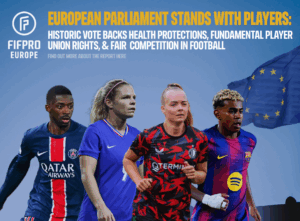
Last week, the European Parliament adopted its report on “The Role of EU Policies in Shaping the European Sport Model.” The European Athletes and Players Association (EAPA) actively contributed to the consultation process, ensuring that the voices of athletes were heard in shaping this important policy milestone.
EAPA strongly welcomes Parliament’s recognition that the European Sport Model must operate in full compliance with EU law and case law, upholding transparency, accountability and good governance. The resolution confirms that sport in Europe should not exist outside the principles of the European social model, but rather reflect them: grounded in solidarity, fairness, and respect for workers’ rights.
In response to the historic vote, Paulina Tomczyk, General Secretary of EAPA, said: “We welcome the European Parliament’s recognition that athletes’ rights are an integral pillar of the European Sport Model. We thank MEPs for standing with players in calling for collective representation, social dialogue and the realisation of labour and human rights for all athletes across Europe.”
As outlined, the report acknowledges athletes as workers and athlete associations as legitimate social partners in the governance of sport. This marks a significant step forward in embedding social dialogue within European sport, ensuring that the athletes who make it all possible are properly represented in decisions that affect their careers and livelihoods.
Overview by FIFPro Europe
EAPA particularly welcomes the Parliament’s call for fair remuneration, decent working conditions, and comprehensive well-being safeguards across all levels of sport. These elements are essential to building a sustainable, values-based European Sport Model that protects both the integrity of sport and the dignity of those within it.
We commend the Parliament’s leadership and remain committed to working constructively with the European Commission as it prepares its forthcoming Communication. A European Sport Model that reflects EU core values such as democracy, the rule of law and human rights, is the foundation for a legitimate, inclusive and sustainable future for sport in Europe.
For more on EAPA’s contributions, click here.
Jul 17, 2025
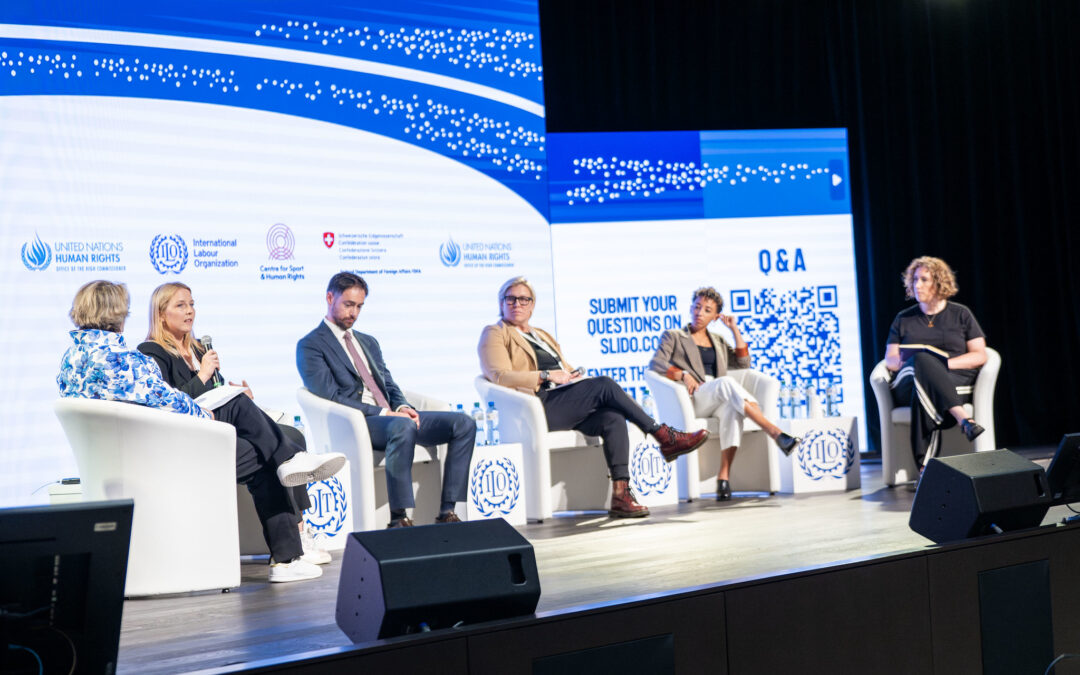
To coincide with the UEFA Women’s EURO 2025, the International Labour Organization (ILO), in partnership with the Swiss Government, the Office of the United Nations High Commissioner for Human Rights (OHCHR), and the Centre for Sport and Human Rights, convened a high-level symposium on Decent Work and Responsible Event Hosting in Women’s Sport.
The event brought together a wide range of stakeholders from across European and global sport to examine the challenges and opportunities facing women in sport. Among the participants were representatives and members of the European Elite Athletes Association (EAPA), which played a central role in the discussions.
EAPA General Secretary Paulina Tomczyk featured prominently throughout proceedings, notably contributing to an enlightening discussion about “Evolving Working Conditions in Women’s Sport.” During the session, she provided valuable insights into the current state of female athletes’ labour rights in Europe, recognising recent progress while highlighting the persistent structural challenges many athletes still face.
Tomczyk noted that while the professionalisation of women’s sport has advanced significantly in recent years, many female athletes continue to encounter serious obstacles to fair and safe working conditions. These include low pay, inadequate medical support, unequal or substandard facilities, and a continuing lack of maternity protection.
She underscored the essential role of athlete and player associations in identifying these issues, promoting social dialogue, and advocating for meaningful improvements, and called on decision-makers to engage directly with athlete unions to ensure that policies and practices are aligned with the needs and rights of those on the field.
Tomczyk further stressed that achieving decent work in women’s sport requires the full recognition of professional athletes as workers, entitled to the same labour rights and protections as others. Access to fair wages, social security, maternity leave, and safe working environments, she concluded, is vital for ensuring the sustainable and equitable development of women’s sport.
“Female athletes are required to train, compete, and behave as professionals, but are not treated as such by their employers,” Tomczyk said. “We need real commitment from sporting bodies to ensure decent work and the growth of women’s sport.
“Listen to the athletes,” she implored, “Work together with athlete unions because together we can find solutions instead of looking for more excuses.”
In addition to athlete welfare, the symposium explored how major sporting events can be hosted in a way that upholds human rights principles and ensures gender equity and decent work at every level of organisation and delivery.
As women’s sport continues to gain global momentum, the messages from the event underscored a growing consensus: real progress will only come when athletes are treated not only as competitors but as workers – with dignity, rights, and a voice in shaping their own future.
Jul 2, 2025
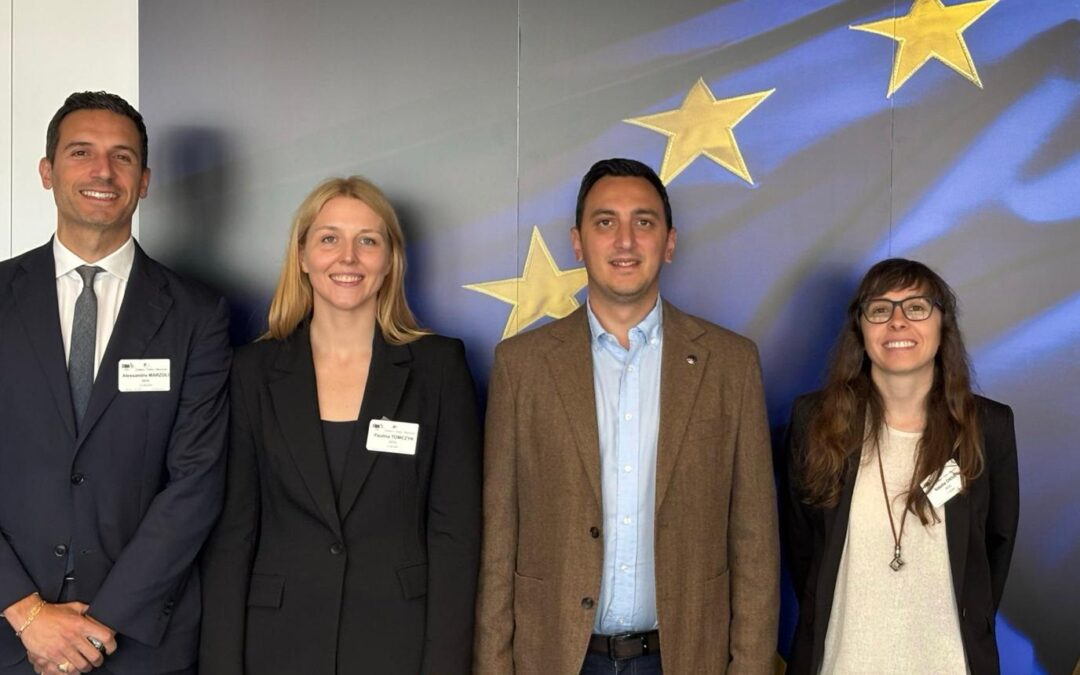
Last week, representatives of the European Athletes and Players Association (EAPA) were in Brussels for a visit that included a meeting with Commissioner Glenn Micallef, the European Commissioner for Intergenerational Fairness, Youth, Culture and Sport.
Led by EAPA President Natalia Orive Siviter, General Secretary Paulina Tomczyk, and EAPA Executive Board Member Alessandro Marzoli, EAPA were in Belgium to bring the voice of athlete and player associations into key discussions through workshops facilitated by the SOPROS project which aims to assess, evaluate, and implement athletes’ social protection in Olympic sports.
The meeting with Commissioner Micallef took place on the second day of the visit to Belgium and marked a significant step forward in recognising athletes not only as performers, but as young citizens with rights, responsibilities, and a rightful place in shaping the systems that govern them.
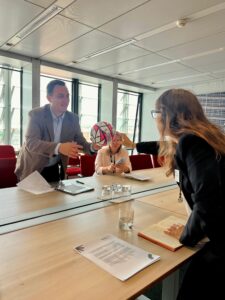
In a focused discussion, EAPA highlighted the real-world challenges many athletes face and which are often obscured by Olympic medals and headlines. The delegation shared concrete examples from their work, drawing attention to critical gaps in maternity protection and mental health support.
Commissioner Micallef reassured the delegation that the protection of athletes’ rights is a key part of his mandate, and the welfare of all athletes will remain central to his work. He emphasised that sport must reflect the same values that Europe upholds in society, and made it clear that athletes deserve greater freedom, voice, and agency in shaping their futures.
The importance of social dialogue in achieving these goals emerged as a central theme. Discussions underscored the urgent need to strengthen athlete representation across all Olympic sports and to establish formal mechanisms that enable athletes to engage meaningfully with employers, federations, and public authorities.
The engagement with the Commissioner coincided with EAPA’s continued participation with the SOPROS project. The workshop convened high-level representatives from the European Commission (including Sport, Social Security, and Social Dialogue Units), the European Parliament, the Council of Europe, the EU Presidency trio (Poland, Denmark, Cyprus), European federations, and academic and policy experts.
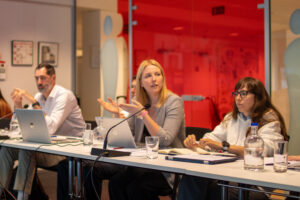
credit: European Olympic Academies
Rooted in the findings of the Erasmus+ EMPLOYS project, SOPROS addresses the ongoing reality that many Olympic athletes lack consistent or enforceable social protections. From inadequate healthcare coverage to unclear pension entitlements and ad-hoc maternity support, the gaps are both significant and systemic.
At EAPA, we understand that policy change alone isn’t enough. Representation matters. Athlete and player associations are essential to turning policy into protection. Our meeting with Commissioner Micallef affirmed that the European Commission not only recognises this truth, but is ready to support it.
Apr 11, 2025
Every year the 15th of April marks #EUSportIntegrityDay. First launched by the European Athletes and Players Association (formerly EU Athletes) in 2014, EU Sport Integrity Day gives key stakeholders in sport across Europe the opportunity to speak out against match-fixing and reaffirm their commitment to safeguarding the integrity of sport. Over the years the campaign has grown with strong support from player associations, sport federations, public bodies and organisations.
The consequences of match-fixing for athletes can be devastating, affecting their reputations and potentially jeopardising their careers. Athlete and player associations remain actively engaged in educating athletes on combating competition manipulation, empowering them to identify fixers and report any suspicious activities.
In early 2025, we proudly announced our involvement in PROtect Integrity Responsibly, a new EU-funded Erasmus+ project. PROtect Integrity Responsibly is a continuation of over a decade of successful work from the Association in its fight against match-fixing and corruption in sport by focusing on promoting integrity in sport through the education of athletes about responsible gambling practices and their role in preventing competition manipulation.
In collaboration with player associations across Europe, EAPA aims to reach over 5,500 elite athletes and professionals. The project will combine both online and face-to-face education on responsible gambling and competition integrity.
Together with our partners, we are ensuring that the fight for clean, fair, and responsible sport continues to gain momentum.
Join us in safeguarding our sports and take a stand against match-fixing every year on #EUSportIntegrityDay.
