Jan 22, 2026
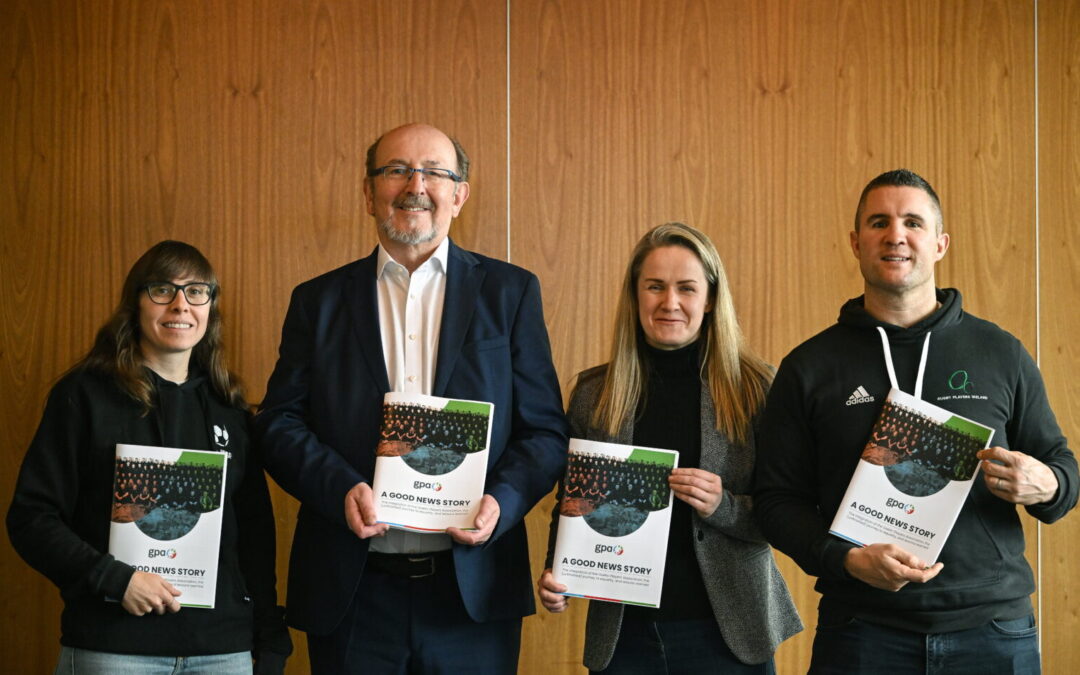
The Gaelic Players Association (GPA) have published a wide-ranging report into the process that led to the successful merger of the association with its sister association the Women’s Gaelic Players Association, and the successful outcomes that have come about as a result.
In December 2020, 99% of male players and 97% of female players voted for this historic step at separate General Meetings before the formation of the newly integrated GPA.
A Good News Story: The Integration of the GPA highlights the opportunities brought about by integration and how lessons that were learned can be of benefit to other sporting organisations, both in Ireland and further afield. By sharing the narratives of the key stakeholders, this research report aims to provide an essential resource for any association seeking to implement meaningful change.
The full report can be accessed HERE.
The report outlines a values-led transformation which was ultimately guided by the over-arching principle of ‘Doing the right thing’. This was a consistent message that came back from the stakeholders interviewed for the report, as was the importance of male allyship throughout the process from initial conversations to implementation.
Key findings have been identified, that led to the GPA becoming a 4,000 strong player body, with equality embedded in all strands of leadership, governance and resources.
Significantly, the lessons learned from the process have also been highlighted to help other associations. These are:
- Good communication: All the participants spoke to the transparent nature of the communication throughout the integration process which proved crucial to its success given the large membership across the two entities.
- Data Driven Decisions: The integration process was guided by evidence rather than assumption, drawing on research and player surveys to inform decisions and build confidence. Reports such as Levelling the Playing Field highlighted the experiences of female players, while GPA membership surveys captured support for change among male players, helping to underpin and justify the decisions taken.
- Understanding and listening to each other: One key lesson learned was engaging in respectful dialogue with both parties – i.e. understanding and listening to each other. While this may be something assumed, it requires intentional action and reflection as bias, frustrations, and assumptions may cloud understanding and listening.
- Change Management: The skills and emotions associated with change management were identified as key strategies. Given the monumental change in integrating the two organisations, the effective management of such change was deemed crucial. Leadership needed to embrace risk taking, being brave, and feeling comfortable in the uncomfortable situation.
- Leadership: The participants recognised the crucial importance of leadership throughout this integration process. Individuals in leadership positions also had key personality traits and personal experience or observed experience of inequality. The leadership also needed to embrace the proposed mission of the integration and be able to clearly articulate this through communication with members and wider public.
- Having the ‘right people’: The participants consistently alluded to ‘having the right people’ as a strategy in the successful integration. The ‘right’ people were individuals who had excellent communication skills who made players felt heard and were available to answer any questions or clarify situations.
Professor Brian MacCraith is the Chairman of the Gaelic Players Association Board of Directors and has supplied the foreword to the report. On its publication he said; “The merging of the two players’ associations was based on a powerful principle: that female and male inter-county players deserve the same standards, protections, voice, and respect. Put simply, they deserve full equality. In 2020, we chose to move beyond symbolism and to embed that principle structurally, constitutionally, and, most importantly, culturally into our new, integrated association.
“The profound values-led change that has taken place successfully in the GPA offers a critical blueprint for gender parity across the sporting world, in Ireland and beyond. As the Gaelic Games family move towards the completion of its own important, integration process, the lessons captured here will resonate strongly.”
The report has been endorsed by the European Athletes and Players Association whose board met in Dublin earlier this week. Speaking on their behalf President Natalie Orive said; “The leadership shown by players within Gaelic games on the subject of integration has been nothing short of inspirational. More important than that, however, is their willingness to share their experience for the betterment of other sporting organisations in Ireland and across the sporting world. Ensuring a meaningful player voice in governance aligns with emerging European best practice, including recent European Parliament guidance calling for athletes to be involved in decision-making within sport.
“As more and more sports bodies move towards an integrated future, this report can be a key guide which will help circumvent some of the challenges presented and help those bodies fully grasp the opportunities presented. For that we thank the GPA for the leadership that they have shown.
Dec 19, 2022
After several months of consultations and cooperation, EU Athletes is proud to publish the newest Common Position Paper of the Member of European Elite Athletes Association. Following on previous documents published in 2016 and 2018, the Paper presents the agreed positions of player unions and associations representing over 25,000 athletes in various sports and countries across Europe on 12 topics that have been identified as fundamental for professional and elite athletes:
1. Athlete rights are human rights
2. Athletes as workers
3. Good governance in sport
4. Economic dimension of sport
5. Match-fixing
6. Anti-doping
7. Dual career, personal development and wellbeing
8. Access to justice
9. Women’s sport
10. Recovery and sustainability of the sport sector
11. ‘European Sport Model’ according to organised athletes
12. Solidarity, partnerships and cooperation
With the 2022 Common Position Paper, EU Athletes reiterates that every athlete has a right to a sporting environment that is well governed and respect their rights as people, citizens and workers.
We also believe that sport can and should have a positive impact on the wider society, contributing to the promotion of fundamental values and fostering development.
Paulina Tomczyk, the General Secretary, said ‘Our Common Position Paper is an important tool that strengthen the voice of organised European athletes. Thanks to this document, we are able to advocate and defend the positions agreed by legitimate representatives of several thousands of athletes at the European and international level. We are committed to working together with governments, international organisations and sport organisations to achieve the goals set up in the document.’
2022 Common Position Paper
For further information contact Paulina Tomczyk, General Secretary paulinatomczyk@euathletes.org
Sep 25, 2022
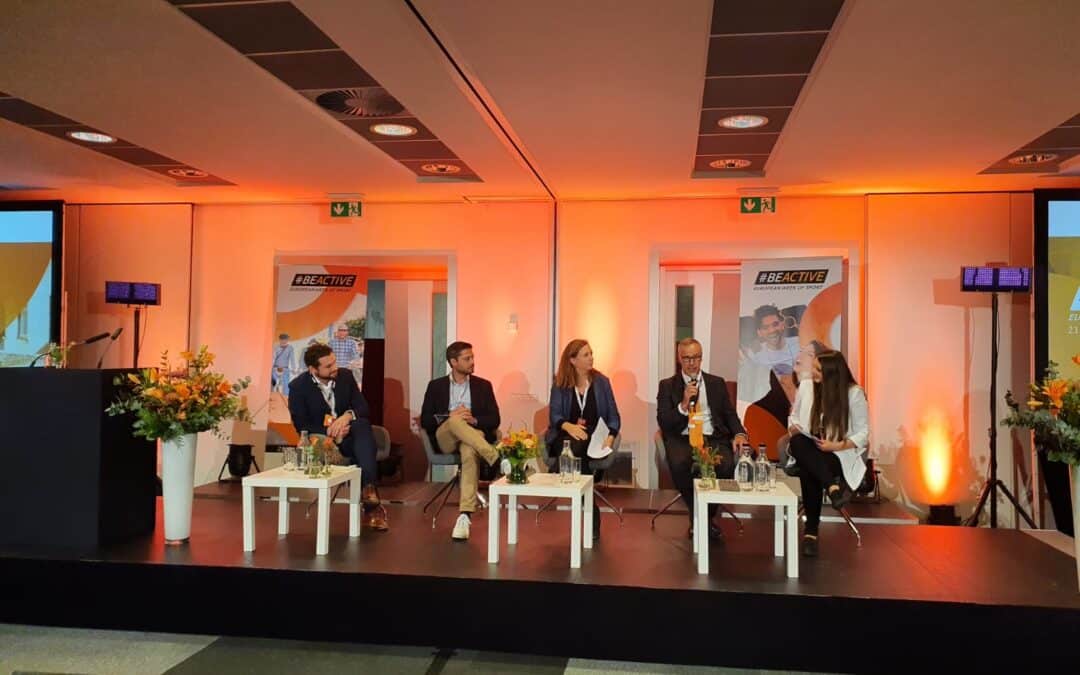
EU Athletes Board member Tom Parsons traveled to Prague earlier in this week to participate in the opening of the European Week of Sport 2022. Following an invitation from the European Commission, Tom was able to present EU Athletes campaign fulfiling the pledge supporting the #healthylifestyle4all initiative.
This event was a unique opportunity to present the work done by EU Athletes and its members during the last couple of weeks within the Athletes for #healthylifestyle4all campaign. By signing the pledge we have made the commitment to the European Commission to spread the message as much as possible and we believe the support of our players will tremendously help.
Tom Parsons
Jul 8, 2022
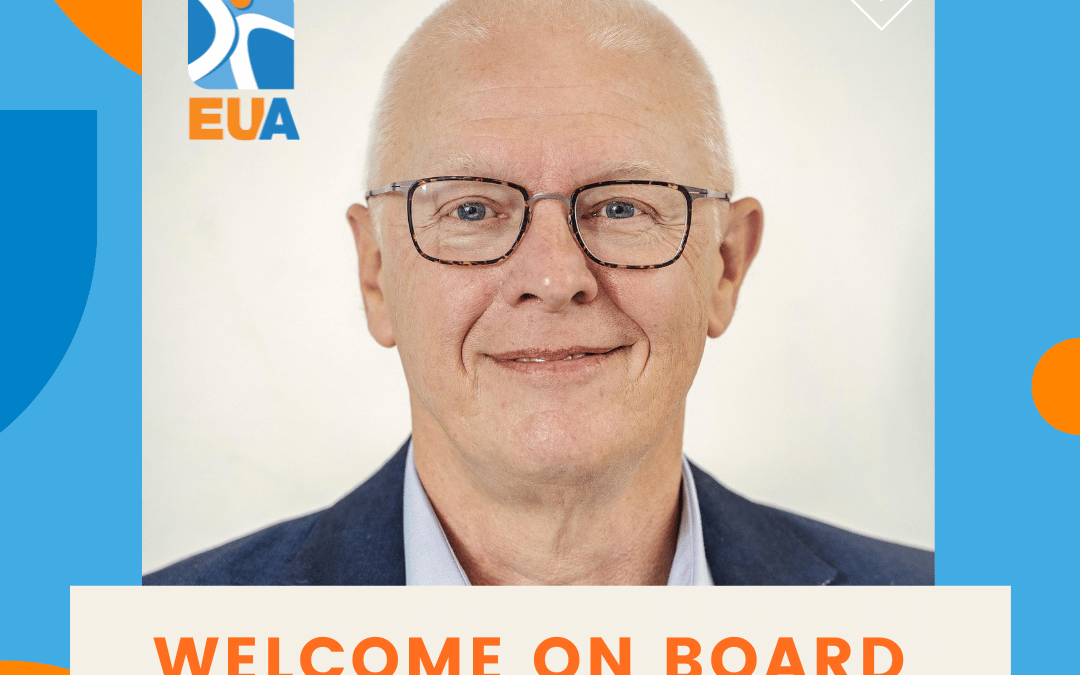
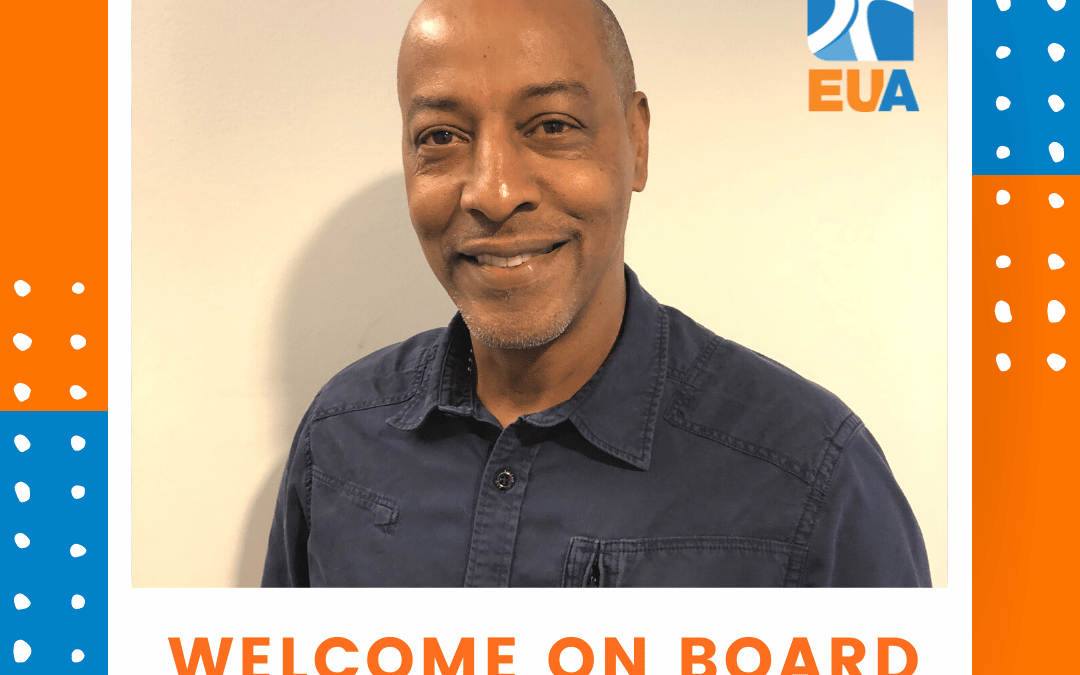
About Marc
Marc is the national responsible for United Athletes, the only trade union in Belgium that unites athletes. He is a new EUA board member as of 2022.
Q&A
What are you trying to achieve as a Board member of EU Athletes?
“We should know each other better, who’s who, and how we can support each other in the common challenges.”
In your view, what has been the most important achievement of EU Athletes during your time on the Board?
“Since I was just recently elected as board member it’s hard to reflect on my tenure but I’m really impressed with the work accomplished in the recent years.”
What is in your opinion the biggest challenge that player associations are facing in 2022?
“Even with salaries going down and pressure to perform up, it’s becoming harder to convince athletes to join a union. Athletes are under great pressure from management and individuality often takes precedence over the strong together.”
Jul 1, 2022
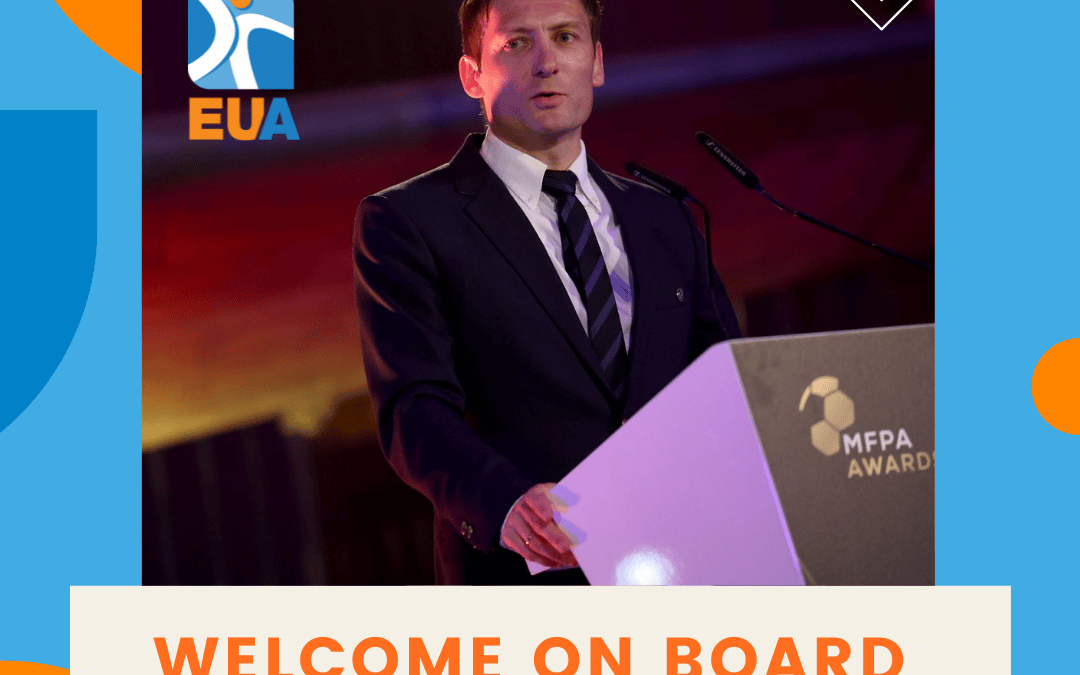
About Brendon
Brendon Batson is the president of EU Athletes since 2017. As a former professional football player, Brendon is the Chair of Professional Players Federation (PPF).
Q&A
What are you trying to achieve as a Board member of EU Athletes?
“To encourage the growth and development of player associations.”
In your view, what has been the most important achievement of EU Athletes during your time on the Board?
“It is difficult to highlight one particular thing but what I am pleased about is that we now have a strong, diverse and working board addressing a range of issues on behalf of our members.”
What is in your opinion the biggest challenge that player associations are facing in 2022?
“To remain relevant to modern day athletes and to continue to be a strong voice in championing the rights of athletes.”
Jun 24, 2022
About Joachim
Joachim Walltin is the General Secretary of FIFPRO Division Europe. Prior to taking up this role, the former professional football player was the president of Norwegian player association NISO for 10 years. Joachim has been on the EUA board since 2021.
Q&A
What are you trying to achieve as a Board member of EU Athletes?
“I have a slightly different role than most of the other board members, as I am here representing FIFPRO as the GS of Division Europe. I am here to follow up on the cooperation between our respective organisations, which is important to protect the rights of football players and other athletes in Europe. With my background from NISO, the Norwegian multisport union, I am used to working with other sports and I still have a heart for all athletes and my approach is to create mutual benefits from such a collaboration.”
Why do you think cooperation between FIFPRO and EU Athletes is important?
“FIFPRO and EUA have a joint interest in several areas and for me as the General Secretary of FIFPRO Division Europe, it´s important that we build European alliances. I think we should align our work where possible and collaborate with the objective to strengthen both organisations. We have to continue promoting and protecting the athletes as workers and ensure their rights are being recognised and respected.”
In your view, what has been the most important achievement of EU Athletes during your time on the Board?
“I haven’t been too long in the Board, but I must say that what EUA has done together with the speed skaters in the ISU case is a very important job and achievement, which deserves a lot of recognition.”
What is in your opinion the biggest challenge that player associations are facing in 2022?
“From my experience, the player associations face quite different challenges, depending on the domestic conditions and recognition and work with other stakeholders. We see that way too few have managed to conclude Collective Bargaining Agreements and in some countries there is even a lack of Standard Employment Contracts, which should be mandatory to prevent problems and improve the professionalisation in all sports.”
