Jul 15, 2022
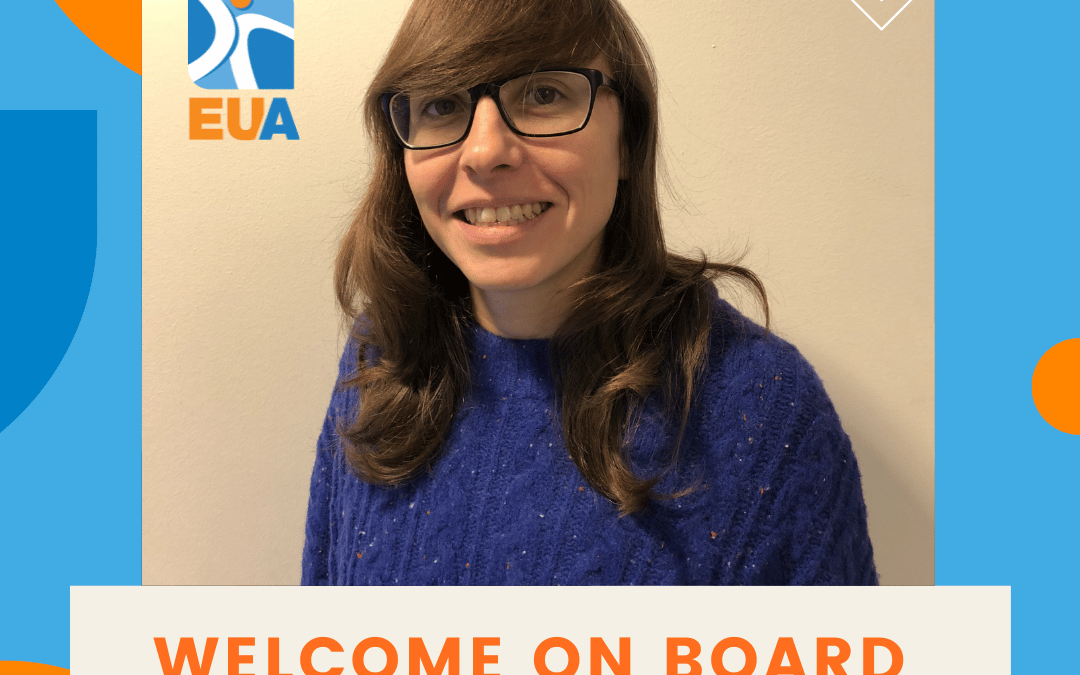
About Natalia
Natalia is the vice president of EUA since 2017 and the president of AJFSF, the Spanish Futsal Players Association for women. She is also a a member of the Board Directors in the Royal Spanish Football Federation and a professional futsal player since many years.
Q&A
1. What are you trying to achieve as a Board member of EU Athletes?
“I hope that we, EU Athletes, becomes bigger and will be increasingly recognized as a powerful association with an independent voice for athletes in Europe.”
2. In your view, what has been the most important achievement of EU Athletes during your time on the Board?
“The growth of members and athletes, the recognition of us in the European Commission as partners and an active voice in the representation of athletes. All the projects developed that we have done and all the associations we have helped and new ones to be created.”
3. What is in your opinion the biggest challenge that player associations are facing in 2022?
“The maintenance of our structure is very important and this is difficult because of the lack of recognition of the actual sport model. The Covid-19 pandemic and its aftermath demonstrated how fundamental it is for athletes to have organisations like us to protect them and defend their rights as workers.”
Jul 12, 2022
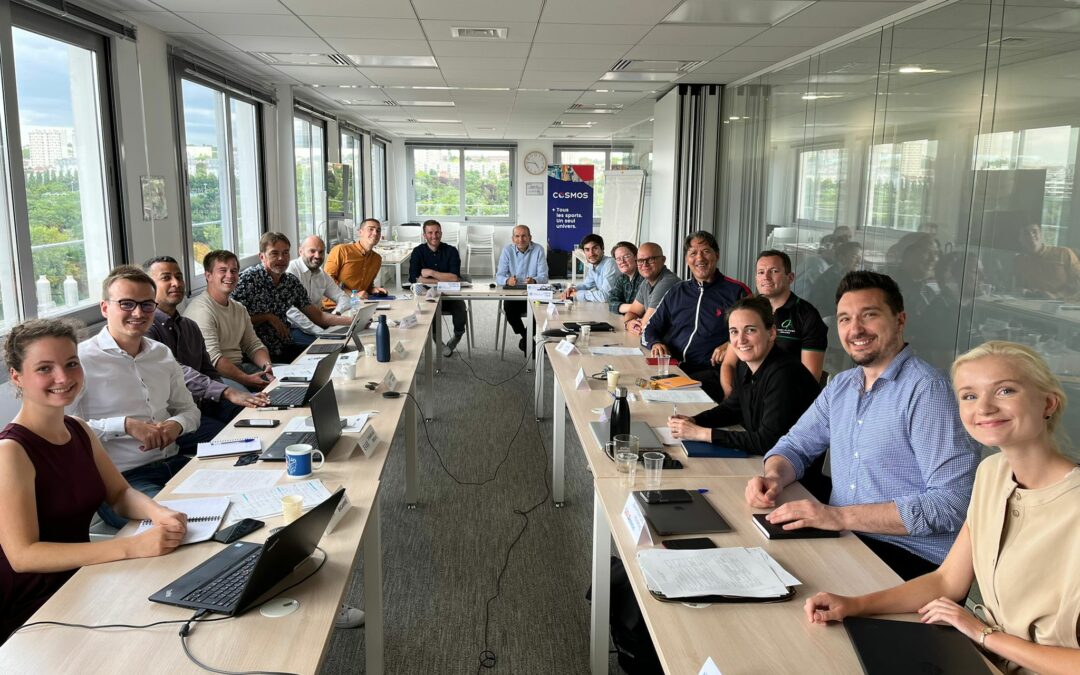
On 7-8 July 2022, the Social Dialogue in Europe for Professional (SDE Pro) Sports project kick-off meeting took place in the offices of COSMOS (Association of Sport Employers in France) in Paris, France. SDE Pro Sports is a 2-year project co-funded by the EU that will run under the Support for Social Dialogue programme. It aims to contribute to the development of social dialogue between employers and employees in professional sport in the EU.
The partners to the project are EU Athletes, the European Association of Sport Employers (EASE) and the German Sport University of Cologne.
At the kick-off meeting, there first was a presentation of the SDE Pro Sports project and its background. The participants also discussed the methodology, advancement and publicization of the upcoming mapping phase of national collective agreements in professional sports in Europe. A number of members of EU Athletes and EASE were invited to share and compare their experiences on social dialogue in their respective countries, as well as reflect on a common ground for social dialogue in Europe. The members invited by EU Athletes were AJFS (Spain), AJFSF (Spain), GIBA (Italy), LI (Iceland), RPI (Ireland), and SSS (Slovenia).
More information about this new project is available here.
Jul 8, 2022
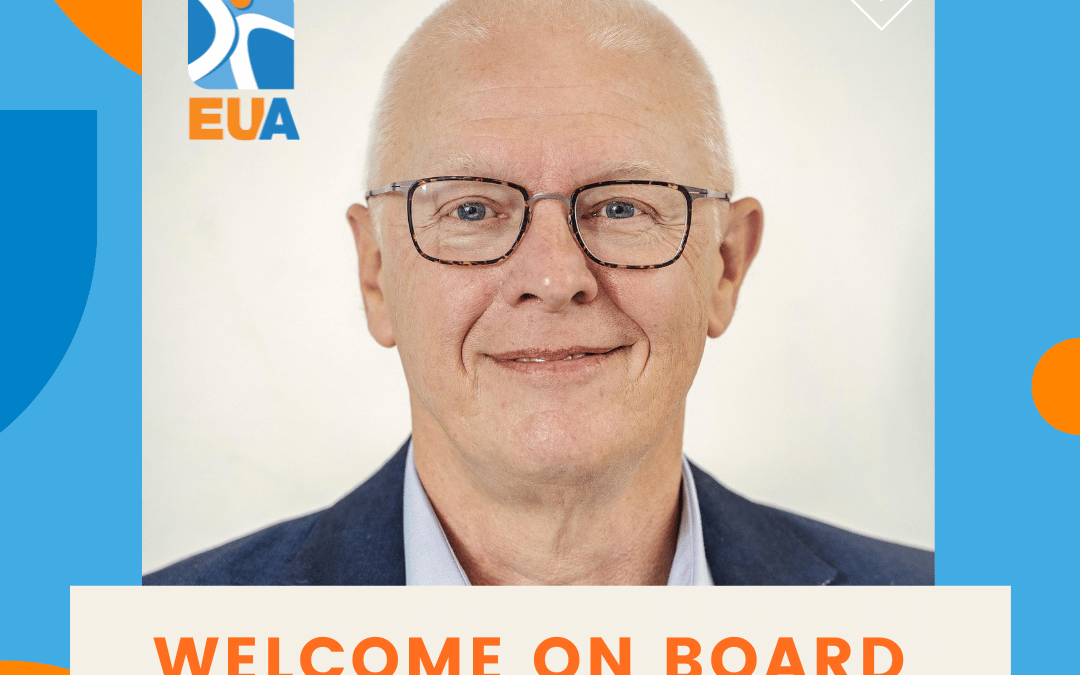
About Marc
Marc is the national responsible for United Athletes, the only trade union in Belgium that unites athletes. He is a new EUA board member as of 2022.
Q&A
What are you trying to achieve as a Board member of EU Athletes?
“We should know each other better, who’s who, and how we can support each other in the common challenges.”
In your view, what has been the most important achievement of EU Athletes during your time on the Board?
“Since I was just recently elected as board member it’s hard to reflect on my tenure but I’m really impressed with the work accomplished in the recent years.”
What is in your opinion the biggest challenge that player associations are facing in 2022?
“Even with salaries going down and pressure to perform up, it’s becoming harder to convince athletes to join a union. Athletes are under great pressure from management and individuality often takes precedence over the strong together.”
Jul 5, 2022
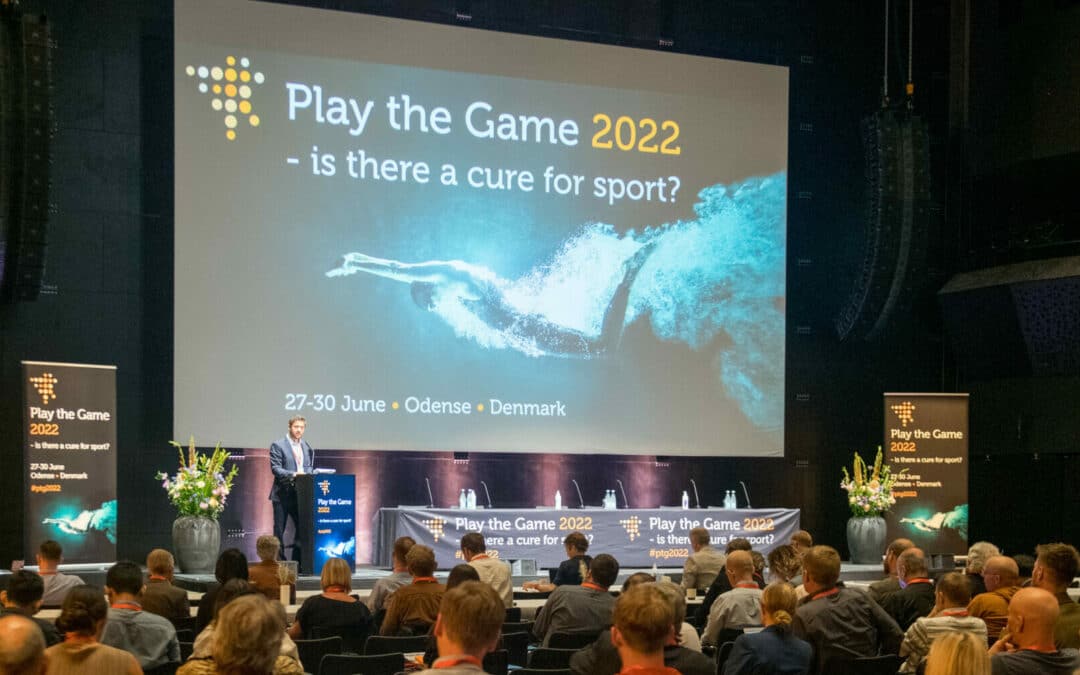
On 27-30 June, EU Athletes attended the 2022 edition of the Play the Game conference in Odense, Denmark. This event brought together various stakeholders in sport to discuss, debate, and find solutions to topical issues and threats facing international sport. Is there a cure for sport? was the theme of Play the Game 2022, which also marked the 25th anniversary of the organisation and its mission to promote democracy, transparency, and freedom of expression in the world of sport.
“Personally, I suffered from the illusion that as soon as the problems of corruption, doping, and abuse were brought into the public domain, someone would start tackling them and they would soon dwindle. Well, here we are, 25 years later, much richer in experience and somewhat poorer in illusions,” Jens Sejer Andersen, international director of Play the Game, in his opening speech.
Issues that were addressed at the 2022 edition of the conference include the rise in athlete activism, the urgent reform of the Court of Arbitration for Sport, and the loss of faith in the anti-doping system after the Russian doping scandal. The panels outlined below were also of particular relevance to EU Athletes.
European Model of Sport – “broken beyond repair”
EU Athletes member Dejan Stefanović, the President of SSS, participated in the panel European Model of Sport: A pyramid, a church, or a world of variety? where the pros and cons of organising sport in a pyramid structure was discussed. There, he stressed that the traditional European Sports Model is “broken beyond repair”. The views of Dejan go in line with the position of EU Athletes, as most recently expressed in EU Athletes Response to the Lobby for a ‘European Sport Model’.
“Athletes’ unions are weak because the European model denies them representation. The revenue distribution systems that are supposed to justify the model are ineffective. In the guise of supporting traditional values, the European model is protecting economic interests and monopolies.” – Dejan Stefanović, President of SSS.
Proposal for independent sports integrity body
Viola von Cramon Taubadel, a German member of the European Parliament for the Green Party, informed the conference about an upcoming proposal from the Green Party bloc to set up a World Anti-Corruption Agency. She expressed criticism towards WADA in this regard and emphasized that we need to start from scratch in building a new independent foundation, based on input from various independent stakeholders.
“We need independent athlete representatives like EU Athletes” – Viola von Cramon Taubadel, MEP Greens/EFA
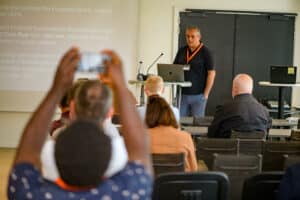

Photos: Thomas Søndergaard/Play the Game
Jul 1, 2022
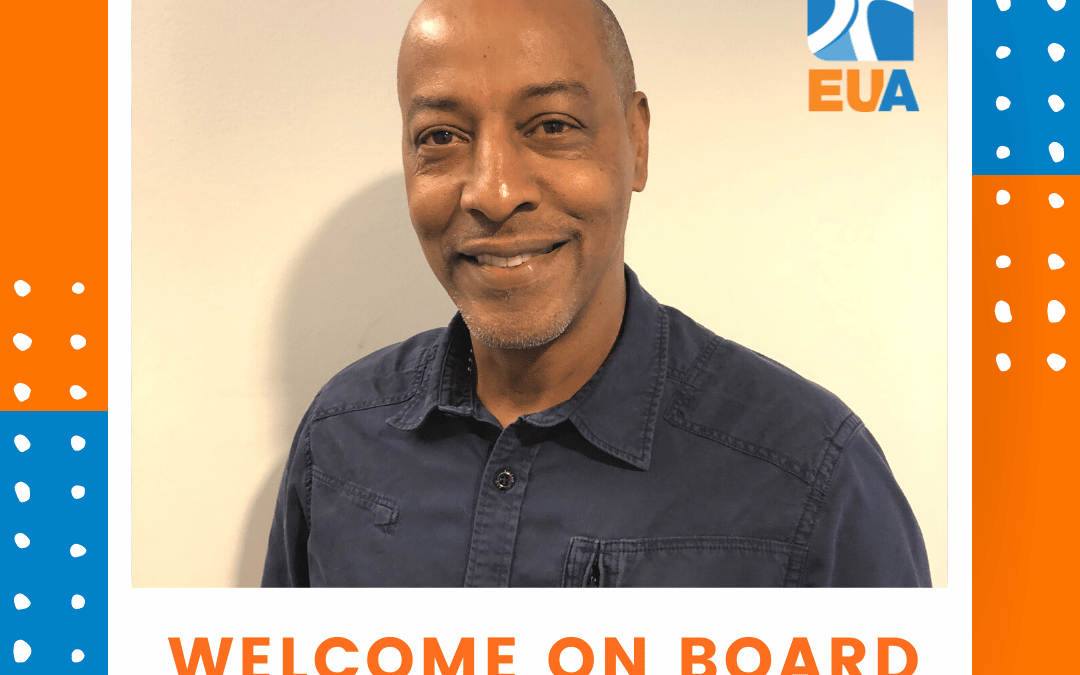
About Brendon
Brendon Batson is the president of EU Athletes since 2017. As a former professional football player, Brendon is the Chair of Professional Players Federation (PPF).
Q&A
What are you trying to achieve as a Board member of EU Athletes?
“To encourage the growth and development of player associations.”
In your view, what has been the most important achievement of EU Athletes during your time on the Board?
“It is difficult to highlight one particular thing but what I am pleased about is that we now have a strong, diverse and working board addressing a range of issues on behalf of our members.”
What is in your opinion the biggest challenge that player associations are facing in 2022?
“To remain relevant to modern day athletes and to continue to be a strong voice in championing the rights of athletes.”
