Jun 17, 2026
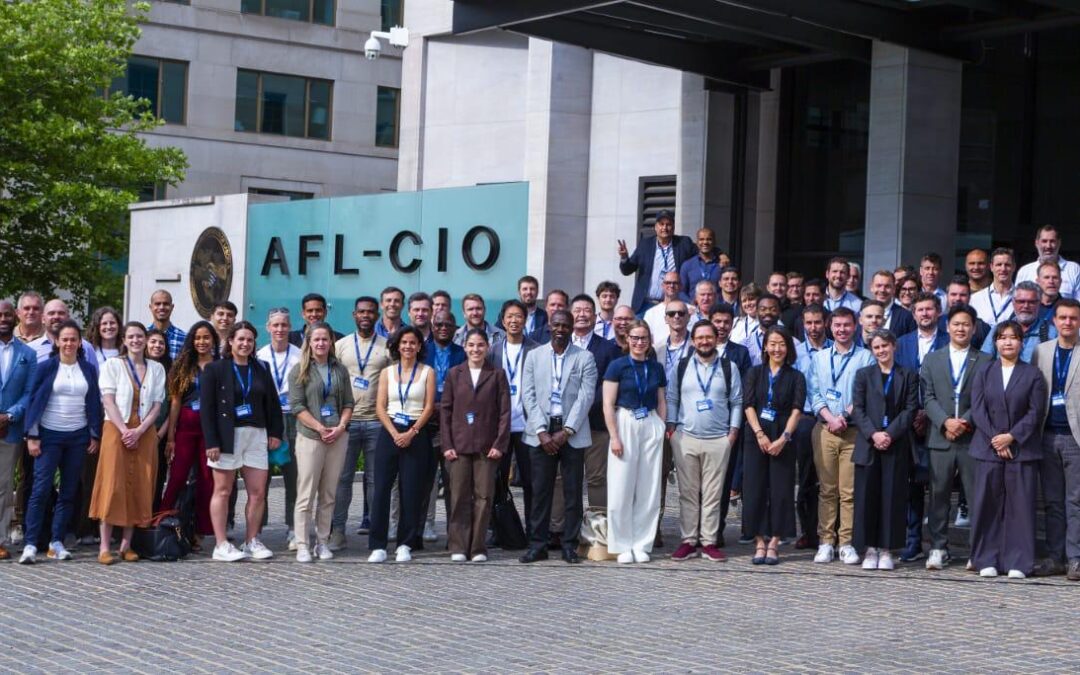
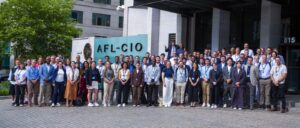
Last week, Dr Emma Burrows was in Washington DC at the World Players Summit, an inaugural player-led global convening focused on advancing athlete representation and advocacy across sport.
RPI’s Player Development Manager for Leinster Rugby, Emma is also the Lead Researcher on Tackle Your Feelings Europe, an EU co-funded project being led by the European Athletes and Players Association.
Based on your conversations, what is the biggest issue facing athletes across the world in your view?
In every conversation, across every sport, the same thread ran through: athletes are workers. They are injured at work, they are increasingly monitored at work, and yet the systems that govern their working lives were not built with them in mind.
The World Players Association have successfully collaborated with the International Labour Organization (ILO) to secure historic global guidelines protecting the fundamental labour rights of professional athletes. However, the gap between what exists on paper and what players actually experience day to day is still significant.
What lesson(s) from another sport should rugby be paying closer attention to?
Two things stood out.
The first is from the AFL Players’ Association’s wellbeing service model. They have four dedicated psychologists to triage, a network of 600 practitioners, and players are offered a choice of three matched options. Average sessions per player have gone from three/four to eight/nine after offering the choice. The difference isn’t the size of the network, it’s the quality of the match and the trust that follows from it. That’s directly relevant to how we think about our own wellbeing infrastructure.
The framing of lifespan, healthspan and joyspan from Thom Mayer was also one of the most useful frameworks I heard all week with regards to long-term health. Rugby has done a lot on concussion but we haven’t yet made the shift to brain health as a protective, proactive system.
What was your biggest takeaway from the week in Washington?
Collective action requires presence, not just alignment.
One of the sharpest lines I heard all week was that you can’t let there be daylight between the association and the players. The associations doing this well are physically present in players’ lives through Rookie Camps, on-site PDMs, and being the trusted first port-of-call.
Care to share a personal highlight from the trip?
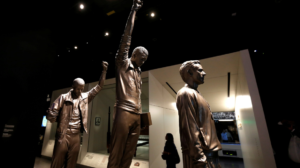
The sports display in the National Museum of African American History and Culture was incredible. I loved being able to shop in the local artists market there too.
Progress has been made, but do you think players have enough influence over the decisions that affect their careers, or is there still a significant gap between governing bodies and players?
There is still a significant gap, and it is not evenly distributed. The sports and associations with strong CBAs, dedicated PDMs, independent wellbeing infrastructure and genuine player voice in governance are pulling ahead. The ones without those foundations are vulnerable, and the union-busting session on Day 2 made clear that the pressure on those foundations is increasing, not decreasing.
How does rugby in Ireland compare?
The picture here is a bit mixed. We have made real progress in terms of player welfare infrastructure. The relationship between RPI and the IRFU is more collaborative than adversarial, which baffles some colleagues in other countries. But collaboration is not the same as influence. Players being consulted is not the same as players having meaningful power over the decisions that shape their careers. There is more work to do on that distinction.
One change you think that would most improve athletes’ working lives?
I’d like to see parents rights moved out from under the heading of Equality. I think as long as maternity leave is framed as a Women’s right concern and filed under Equality it won’t progress any further. If we treat it as something that affects men and women, then I think we’ll see real parity.
Jan 23, 2025
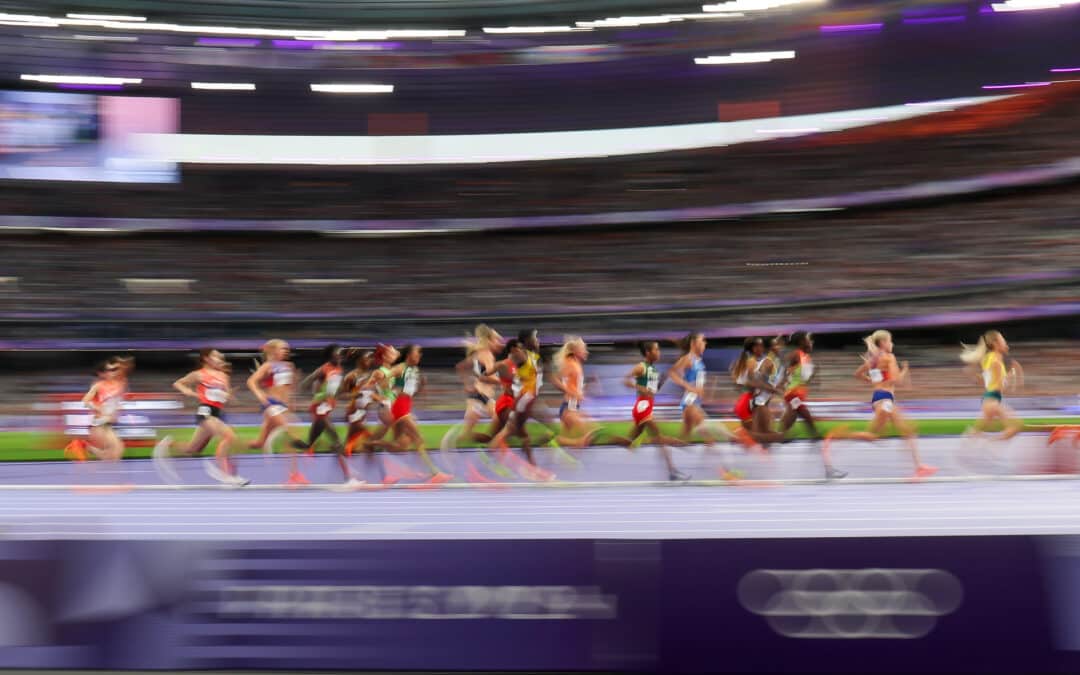
UNI World Players, a sector of UNI Global Union, has carried out the first-ever public poll to assess awareness and attitudes regarding athletes’ rights and representation at the Olympic Games. The poll of nearly 3,200 people from Australia, France and the United States was conducted by Ipsos, a leading global market research firm, in the months following the 2024 Paris Olympics. It shows immense public support for greater compensation for Olympic athletes and increased athlete input in decisions affecting their careers.
The poll underscores that IOC’s actions are out of step with public expectations on athlete rights and representation, highlighting the public’s lack of awareness of the challenges Olympic athletes face. As seven candidates battle it out to become the new President of the IOC, to be decided in March this year, UNI World Players is seeking a commitment to fair treatment for athletes and their fair share of the billions of dollars generated at the Games.
Among the poll’s key findings:
Overwhelming support for fair pay for Olympians
- Across the three countries surveyed, half of respondents admitted they “did not know” whether the IOC shares revenue generated at the Games as a form of payment (directly or indirectly) with athletes. Only 18% correctly recognized that the IOC does not.
- A majority (65%) believe the IOC should share Olympic revenue as a form of payment with athletes (either directly or indirectly). Support is highest in Australia (68%), followed by France (67%) and the United States (59%).
Strong backing for greater athlete agency, including sponsorships
- The overwhelming majority of respondents (73%) were unaware that athletes at the Olympics only have a limited say when it comes to matters affecting their careers.
- A majority of over 60% across all three surveyed countries believe athletes should have an equal say with the IOC in decisions that can affect their careers, with the highest support in Australia (71 per cent), followed by the United States (67%) and France (62%).
- There was also support for enhanced sponsorship freedom. When asked their perspective on whether athletes should or should not be allowed to promote personal sponsors when competing at the Olympic Games, the majority of respondents in each country (USA – 59%, Australia – 57% and
France – 51%) believe athletes should be allowed.
Head of UNI World Players, Matthew Graham said:
This poll shows the public support for change. Without athletes, there are no Olympic
Games, and they deserve to have a stake in the enormous wealth they generate.
The next president must ensure the IOC acknowledges athletes’ hard work and
dedication by paying them their fair share, and giving them an equal say in all
matters affecting their careers, wellbeing and livelihoods.
At the pandemic affected Tokyo Olympics, the IOC produced revenues amounting to US$370,000 for each of the 11,300 competitors, and it is estimated these figures will be higher again in Paris. Yet athletes only directly share in a meagre 0.6% of the revenue they generate via the ‘Olympic Scholarship’ programme. This inequity is forcing many athletes to leave their sports prematurely with significant numbers facing mental health
challenges due to financial difficulties.
UNI World Players notes this polling is another reminder that the IOC needs to fully embed the fundamental rights of athletes in its governance and business model if it is to keep up with the demands and expectations of all stakeholders in the modern professional sport era. To take these steps, the IOC must build meaningful athlete engagement upon a foundation of respect for the rights to organize and collectively bargain, allowing for an equal say on all matters affecting their careers, wellbeing and livelihoods. As proven by other sport globally, says UNI World Players, it will be a win both for athletes and their sports.
Dec 1, 2022
As an affiliate of the World Players Association, EU Athletes supports today’s launch of “Establishing Effective Safe Sport Entities”, a concise guide on the key principles and essential functions of entities established to address and remedy the scourge of abuse in sport. Developed together with The Army of Survivors and the Sport & Rights Alliance, the guide provides sports bodies, governments, player associations, civil society organisations, and other stakeholders with a clear benchmark to ensure safe sport entities are able to prevent, investigate and respond to abuse in a manner that protects the safety, humanity, dignity and voice of impacted athletes.
Recent and continuing revelations of endemic, appalling and systemic abuse of athletes, often fostered by enabling cultures of sporting norms, nepotism, cover-up, and retaliation, have triggered a rush to establish safe sport initiatives. While potentially an important step , these processes commonly have significant shortcomings in purpose, culture, capacity, expertise, and transparency – often exacerbating harm for victims and survivors. Athletes turning to such entities report a lack of support and safety, an absence of trauma-informed approaches, ineffective reporting procedures, a legalistic and adversarial system of dispute resolution, and gaps when it comes to meaningful reparation and remedy.
Athlete trust – essential to the success of any safe sport initiative – has too often been destroyed by being forced into a system principally designed to protect the reputation of the sports body itself as opposed to identifying the justice needs of victims and systemic causal factors. Some sports bodies and governments have made the dangerous assumption that the already problematic sports integrity framework – designed around challenges such as anti-doping and match-fixing – is capable of addressing the particular challenge of abuse and the sporting environments which enable it.
Based on these experiences and coupled with the knowledge of experts in the field of trauma and abuse, the guide articulates six key principles that need to be embedded in the establishment and operations of safe sport entities to ensure that initiatives can deliver justice and support for survivors:
- Human Rights-Based
- Survivor-Centred
- Independency & Accountability
- Safety & Accessibility
- Meaningful Stakeholder Engagement
- Effective Remedy
In addition, the guide identifies five essential functions that such entities need to fulfil in order to respond to the needs of survivors and drive the necessary systemic change to achieve the stated safe sport purpose:
- Support
- Reporting
- Investigation
- Remedy
- Prevention
The released guidance comes at a critical point in time, as FIFA is looking at establishing an structure on a global and multisport level, and other national-level initiatives are underway in several countries under the guidance of national governments.
EU Athletes General Secretary Paulina Tomczyk said:
“Every case of athlete abuse is one too many. Sport organisations, governments and other stakeholders need to recognize their responsibility and deal with the systemic abuse in sport head on. Establishing safe sport entities is a step in the right direction, but their structure and functioning need to be fit for purpose. With the Safe Sport Entity Guide, the player association movement is showing its committed to being a part of the solution and making sure that the protection of rights and integrity of athletes is a non negotiable priority.”
World Players Executive Director Brendan Schwab said:
“Abuse in sport is continuing to destroy the lives of thousands of players around the world. We cannot wait for the system to come up with a solution, as the system is part of the problem. There is an urgent need to establish new and carefully designed structures that can deal with these cases and meet the individual, collective and systemic justice needs of victims, survivors and athletes generally. This guide provides clear criteria to ensure that those initiatives can be effective, safe, trauma-informed, survivor-centred, and deliver the systemic change needed.”
The Army of Survivors Executive Director Julie Ann Rivers-Cochran said:
“While we agree that current safeguarding and reporting systems need to be revisited in order to prioritize athlete safety and wellbeing, our hope is that new entities being created are taking the right measures into account. By utilizing this guide, organizations have principles and key functions that will aid them in creating transparent and survivor-centered processes.”
Sport & Rights Alliance Director Andrea Florence said:
“To move forward, it is important that we learn from mistakes in the past. For too long we have seen processes and systems built to protect sport and its reputation. We need to finally start to focus on those most affected by the current failures: the athletes and survivors. For the effectiveness of any safe sport institution, it is absolutely critical to be based on meaningful, nonexploitative, safe and trauma-informed consultation with survivors.”
Establishing Effective Safe Sport Entities – Guide
Original press release by World Players Association
Dec 10, 2019
On the #HumanRightsDay the World Player Association launches its first global study on child athletes’ experience in collaboration with Loughborough University. EU Athletes is involved in the development and dissemination of the project with three of its affiliates (Associación de Jugadores de Fútbol-Sala, the Norwegian Players’ Association (NISO) and The Cyclist Alliance), alongside International Rugby Players, Federation of International Cricketers Associations (FICA) and Women’s National Basketball Players Association (WNBPA).
The pilot study, called Project CARE (Census of Athletes Rights Experiences), is the first that looks into the childhood experiences of professional players; it will last two years and aims to change the way the rights of child athletes are promoted and protected throughout world sport, by building recommendations for sport governing bodies and player associations that will help to prevent child rights violation from happening. The origin of the project arises from the need to draw the attention to young athletes’ education and protection, as the institutions that govern sport have ignored, from a policy point of view, their responsibility to put children’s best interests at the top of their priorities.
Project CARE involves athletes through an anonymous survey, available in five languages (English, Spanish, French, Portuguese and Japanese), to get information and data about their experiences when they were child athletes. The survey includes sections to assess respondents’ demographic profile; recognition of their rights; factors related to their development; support for their individual and collective power, participation and voice; experiences of different forms of violence (physical and emotional as well as sexual harassment, abuse and exploitation); experiences of help and protection; current sporting performance and indicators of personal well-being. Due to the nature of some questions that could be distressing, the World Player Association will make sure that local services and self-care resources are supporting psychologically the athletes, as declared by Gigi Alford, Director of Sport and Human Rights of the World Players Association.
The survey, which results are expected on Spring 2020, is online and shareable via email or messaging platforms.
May 8, 2019
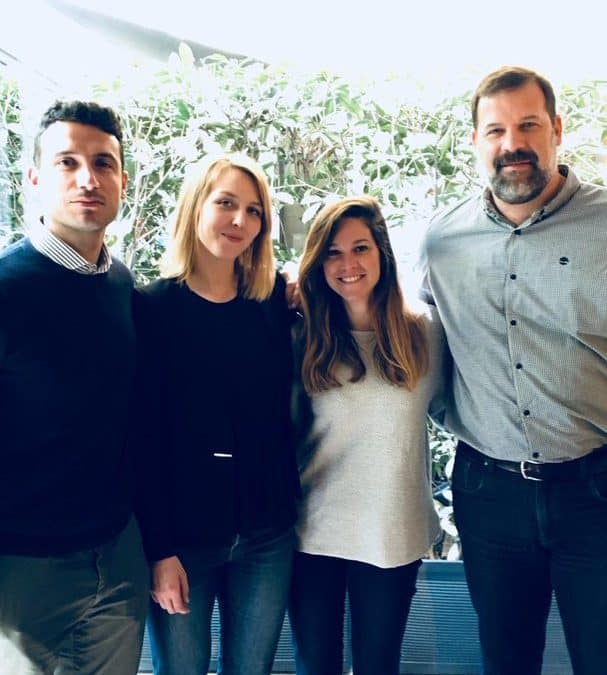
EU Athletes took part in the meeting for the European Basketball Player Associations on May 6th, in Milan. Within the scope of the European Commission funded project, “European Social Dialogue targeted initiative: strengthening social dialogue in the professional basketball sector”, the project coordinated by UNI Europa/World Players Association, with EU Athletes involved as an associated partner, brought together the basketball players associations of SNB (France), ABP (Spain) and GIBA (Italy) for this meeting.
The meeting was an opportunity for the players unions to exchange about the challenges and best practices from their respective unions, but also to discuss the entire landscape of European basketball. The meeting was an excellent platform for the sharing of the status quo of basketball players representation in Europe, identify areas for improvement in order to strengthen bargaining power and to map the stakeholder environment while identifying common positions and best practices.
The aim of this ongoing project has been to support organizing and capacity building in the professional basketball player unions, aiming to reinforce the social dialogue in basketball in order to tackle the new challenges of the game in Europe. Project also aims to gain a deeper understanding of the conditions of work, the views and experiences of both men and women basketball players.
The project will run until the end of September 2019 and the next project meeting will take place in June in Spain.
Apr 5, 2019
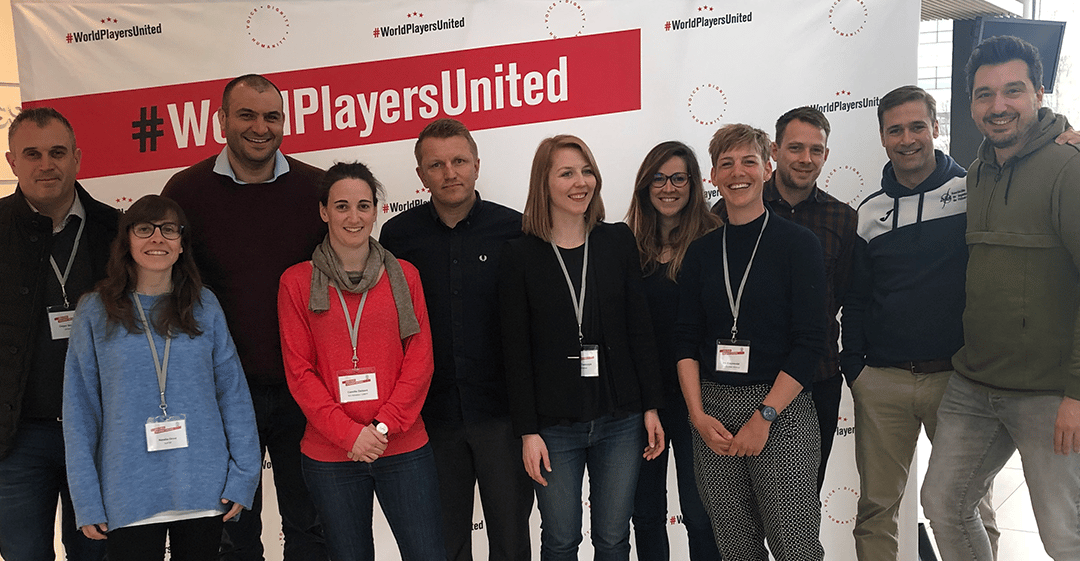
The third edition of the World Players Association – World Player Development Conference was hosted by FIFPro in Hoofddorp, The Netherlands from 2 – 4 April 2019.
The conference brought together more than 100 of the world’s leading player development professionals and player association executives from 47 countries and more than 13 different sports to learn from internationally recognized experts. A number of EU Athletes member associations participated in the event, allowing them to exchange views and experiences with other player associations’ representatives from around the World.
This conference was a unique opportunity to share the work done in Europe on player development and dual career support for professional players and elite athletes.
“Our members at EU Athletes are at the front line when it comes to developing programs to support players on dual career issues. We have great examples in many countries including Ireland, UK, Spain or Sweden. This conference allowed everyone to share their own experience and to also collect lots of information to improve their own program. We are now looking forward to the next conference in two years”.
Paulina Tomczyk, EU Athletes General Secretary
The conference also highlighted the importance of such a forum for player associations:
“The amount of work that is being done in different countries and sports the field of player development is simply amazing and fascinating. It goes from induction seminars to face-to-face education programs or mental health support for players. We are all gaining a lot from a gathering like this one. We then can all go back to our association and evaluate what works and what can be improved. It’s really beneficial”
Camille Delzant, UNFP and EU Athletes Board Member
The next forum will take place in the U.S, in 2021.
Find out more about EU Athletes PDM project on player development here
